
Kalyan spotted speaking with Samik at Parliament; Mahua joins in too
.gif)

Download Mobile App 







The central government on Tuesday informed the Supreme Court that the country's 20 per cent ethanol blending programme in petrol is an ongoing experiment, with its full policy impact expected to become clearer by next year. Attorney General R. Venkataramani submitted during a hearing on a petition filed by Bharat Petroleum Corporation Limited (BPCL) challenging a Karnataka High Court order regarding ethanol allocation for the 2025-26 supply year. BPCL argued that the regional court's order could heavily disrupt the broader national policy objective, prompting the Attorney General to request permission to file a transfer petition to consolidate similar cases pending across multiple high courts before the October contract renewals.
The legal proceedings come amidst public debate and concerns raised by automotive enthusiasts regarding potential mechanical damage and reduced fuel efficiency in older vehicles due to increased ethanol levels. The government has actively countered these apprehensions, stating there is no hard evidence linking E20 petrol to mechanical issues and dismissing recent claims that using blended fuel could invalidate vehicle insurance policies. Following the court session, the Attorney General clarified that the 20 per cent blending mandate remains a firm policy decision that is unlikely to change, though the volume of ethanol distributed to individual oil companies may fluctuate depending on market demand.
According to the Union Oil Ministry, India achieved its 20 per cent ethanol blending target last year ahead of schedule, with oil marketing companies initiating nationwide supplies on April 1. The ministry strongly defended the initiative as a globally accepted practice successfully utilised in nations like the US, Brazil, and Japan, noting that the programme has saved over ₹1.4 lakh crore in foreign exchange by reducing crude oil imports. While the government maintains that the transition enhances energy security and curbs carbon emissions, it has already set a subsequent milestone to increase the domestic ethanol blending ratio to 30 per cent by the year 2030.




.webp)
.webp)


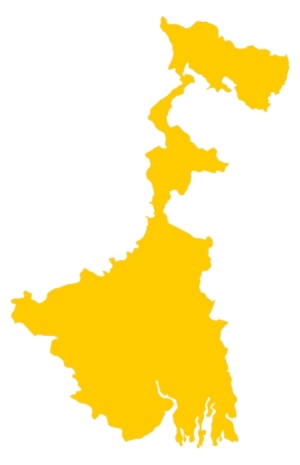 West Bengal
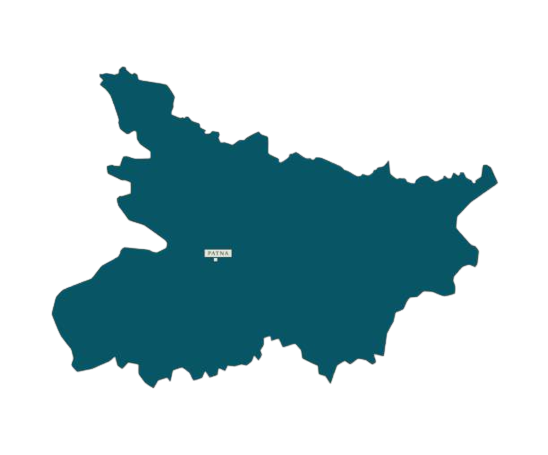 Bihar
Bihar Uttar Pradesh
 Jharkhand